We identify which ratings apply to the intended duty and which inputs still need confirmation.

A steady project counterpart
How Generac Generator teams work with critical-power buyers
Our role is to make generator procurement easier to inspect, coordinate, and carry through. We translate operating requirements into questions that contractors, engineers, distributors, and facility owners can answer together.
Working philosophy
Start with the outage consequence, not a model number
Generator projects often arrive with a requested kilowatt rating but incomplete information about starting loads, transfer sequence, runtime, temperature, elevation, acoustic limits, or future expansion. Our approach begins by separating confirmed requirements from assumptions. The result is a cleaner technical conversation and a quotation that is easier to compare.
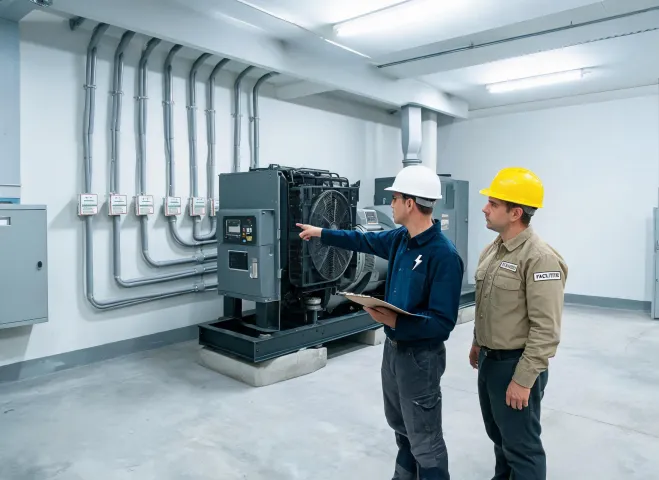
We also recognize that project success depends on interfaces outside the genset. Ventilation paths, exhaust routing, fuel storage, lifting access, grounding, control wiring, distribution protection, and maintenance clearances all influence the installed system. Bringing these parties into the review early reduces field rework.
“A reliable handover is built from visible decisions, documented interfaces, and realistic maintenance access.”Project Support Team
Principles visible in the work
Project context follows the work from initial inquiry through documentation and turnover.
Recommendations account for access, sequencing, service space, and the realities of the site.
Changes, exclusions, selected options, and responsible parties remain visible to the team.
Capability grows at handover
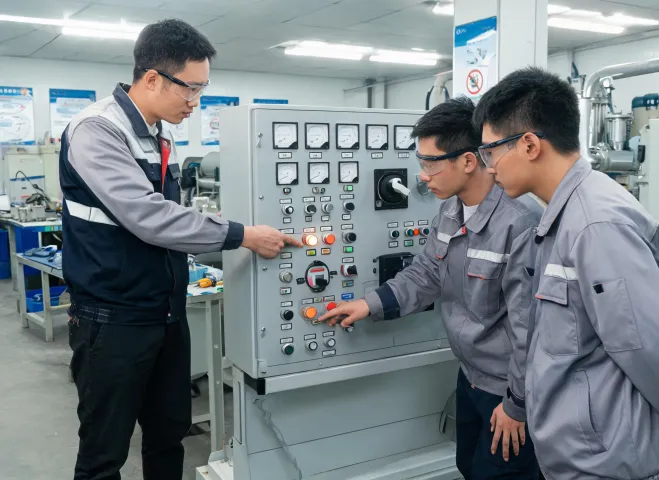
A generator installation is only ready when the people responsible for it understand normal status, alarm escalation, transfer behavior, routine inspection, and the service path. We support training-oriented turnover materials that connect equipment documentation to the actual facility arrangement.
Local execution, shared technical language
Contractors, consultants, distributors, and owners may use different deliverables and approval processes. We establish a common list of ratings, interfaces, dates, and responsibilities so local project teams can move without losing the original design intent.
Meet us around a real project requirement
Describe the facility, the essential loads, and where the project currently stands. We will respond with the information needed to advance the selection.